Integrating all operational channels, like connecting software systems and aligning teams internally, has become an absolute must for business. Companies that don’t integrate their operations more often than not falls behind due to inefficiencies, miscommunication, and missed opportunities. But what exactly is its true value, and how can businesses take advantage of it?
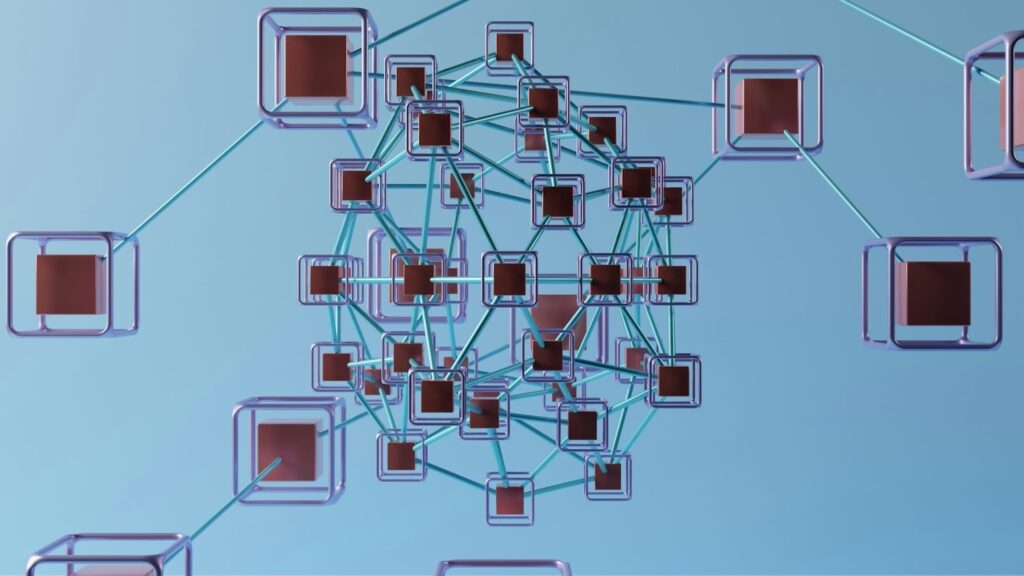
Photo by GuerrillaBuzz on Unsplash
Why Integration Matters
Businesses depend on being flexible enough to respond quickly to changing environments. Integration increases this ability by breaking down silos within an organization and creating a connected ecosystem. By connecting disparate systems, like CRM software with email marketing platforms or financial management tools with data analytics dashboards, businesses can easily automate workflows, reduce redundancies, and significantly enhance their productivity. Data accessibility offers invaluable insights, aiding better decision-making across departments. Meanwhile, failure to integrate will cause fragmented processes. For example, your sales department collects client information that never reaches customer support or marketing departments. Misalignment between teams and outdated data quickly leads to dissatisfied clients and missed growth opportunities. Businesses that focus on integration create cohesion and agility to sidestep such obstacles.
Types of Business Integration
System Integration
Integration involves interlinking your business’s technological infrastructure. From enterprise resource planning (ERP) systems to other digital assets like customer relationship management tools (CRM), system integration ensures data flows smoothly between platforms. System integration provides businesses with a platform that eliminates time-consuming manual data transfers, reduces error risks, and unifies team efforts. Businesses benefit from having one unified platform for automation and streamlining operations. Integrating payroll systems and HR management software can make sure that employee data remains consistent across both platforms with minimal effort. Also, connecting e-commerce platforms to inventory management systems helps prevent overselling and facilitates faster restocking processes.
Integrated Payment Solutions
Integrated payment solutions have become a very important component of business integration by seamlessly linking payment processing systems with platforms like websites, mobile applications, and POS systems. These solutions help businesses handle transactions through semi-integrated or fully integrated systems that ensure compatibility with their current operations. Advanced features, such as low-code and no-code options as well as Level II and III payment processing, give integrated payment systems an extra measure of flexibility and sophistication.
Team Integration
Technology cannot drive integration alone. Your teams play just as Important a role. Team integration aims at encouraging collaboration and synergy within your workforce. Break down departmental silos, encourage open dialogue among employees, and align all employees toward shared business goals. Through proper integration, marketing teams work hand in hand with sales, project managers serve as intermediaries between technologists and designers, and HR collaborates with IT to enhance digital onboarding experiences. Team integration requires cultural shifts, training programs, and communication tools like Slack or Microsoft Teams. Employees who are aligned can expect reduced conflict, improved morale, and outstanding service from one another. Customers will definitely reap the benefits.
Data Integration
Every business knows that data is a “golden” asset, and data integration makes sure that you get better value extracted from it. This process involves consolidating multiple sources into one cohesive view to identify customer and user behavior data, internal metrics, and market trends that provide actionable insights for improved decision-making. Using tools like APIs (Application Programming Interfaces) can greatly help in unifying data processes, eliminating compatibility issues while opening up opportunities for innovation through predictive analytics, customer personalization, or performance optimization.
Benefits of Integration
Better Customer Experience
Customer expectations continue to rise. Businesses that integrate can meet customer expectations by effectively communicating between systems and teams. When this is done, customer service personnel can respond faster, with tailored conversations, and give frictionless service. For example, when an integrated CRM allows support staff access to customer details for better service interactions.
Cost Savings and Efficiency
Businesses dedicate a lot of resources to patching inefficiencies created by poorly integrated systems. Integration eliminates bottlenecks and cuts operational costs by automating repetitive tasks and streamlining workflows while freeing up staff time to focus on value-add projects rather than manual data reentry tasks.
Competitive Advantage
Integration makes sure that businesses stay ahead of the competition by unlocking data-driven decision-making, encouraging collaboration, and consistently providing superior customer experiences. Integrated companies outperform competitors due to their ability to pivot quickly and scale smoothly. An advantage that is especially useful in markets where agility and adaptability reign supreme.
Steps for Integration
Evaluate Your Current Systems
The first step toward integration is assessing your current processes and systems to understand where bottlenecks exist or duplication of effort exists to prioritize any necessary integration projects.
Choose the Right Tools
Invest in tools designed for interoperability, scalability, and user friendliness. Look for platforms that integrate easily with your existing tech stacks while offering API support to allow customization.
Focus on Communication
Integration requires everyone working toward one common goal. Provide training sessions, regular check-ins, and companywide updates to make sure each department understands your integration strategy.
Integration Pitfalls to Avoid
Overcomplicating the Process
Integration doesn’t entail connecting all the systems at once. Taking a phased approach helps businesses avoid wasting resources or creating overly complex infrastructures. When high-priority systems and processes for integration are prioritized, businesses can minimize time wasted connecting inconsequential components of the integration projects.
Ignoring Data Security
The more systems you incorporate, the greater the chance for vulnerabilities. Always incorporate strong cybersecurity measures into your systems to maintain privacy laws and regulations and avoid compliance issues. Encryption and regular audits should be part of the plan.
Failing to Monitor and Adjust
Integration doesn’t stop once your current systems are connected. Make sure that you monitor its progress frequently, collect feedback from users, and make any necessary changes as needed.

Photo by Wouter Dijkstra on Unsplash
Conclusion
Integration is the foundation of modern, agile businesses with an eye on the future. From cutting inefficiencies to improving customer experiences and driving innovation, integration offers businesses a lot of benefits that cannot be overlooked. Businesses that invest in system, payment, team, and data integration find strength in creating cohesive operations. Those who ignore integration will soon fall behind, and their rivals may lead their industry. So don’t fall into its trap. Be one of those that connect the dots or face the consequences.